

The Ford Super Duty is built to handle demanding jobs, and the Power Stroke® Turbo-Diesel engine is a big reason why it can. But like any high-performance diesel, the Power Stroke® Turbo-Diesel’s maintenance isn't something you can skip or put off. Staying on top of routine service keeps your truck working harder and lasting longer, whether you're hauling, towing, or logging serious miles beyond Medford, Wisconsin.
Oil & Filter Changes
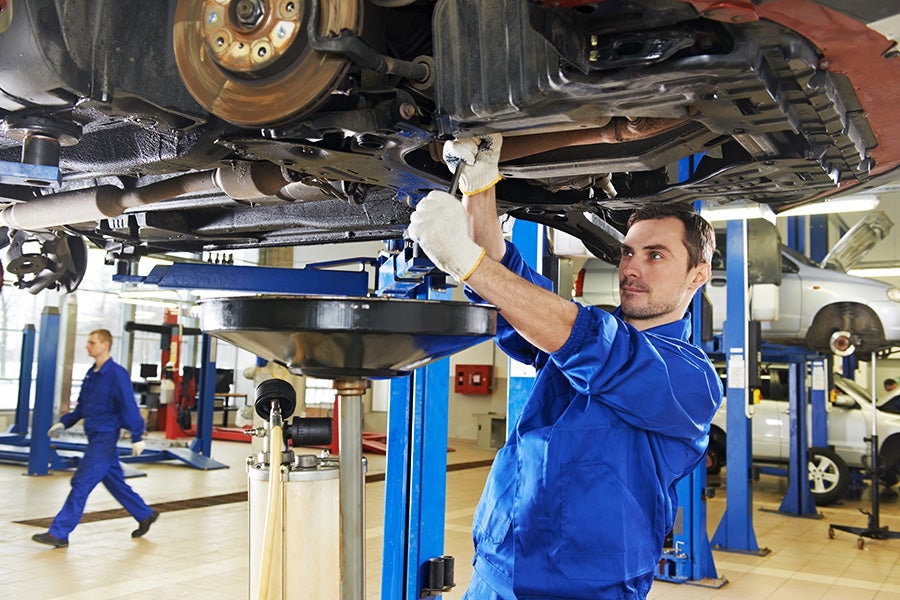
Ford Power Stroke® maintenance starts with the basics: regular oil and filter changes. Diesel engines work under greater compression and heat than gasoline engines, so the oil breaks down faster and needs more frequent attention. Using the correct oil viscosity and a quality diesel-rated filter is essential. Check your owner's manual for the recommended interval, and don't push past it when you're working the truck hard.
Fuel System Care
The fuel system in a Power Stroke® Turbo-Diesel is precise and sensitive to contamination. Changing the fuel filter on schedule—typically every 15,000 miles, though your manual may vary—helps protect injectors from damage caused by water and debris. Modern Super Duty trucks are equipped with Ford’s Intelligent Oil Life Monitor that will take your specific driving conditions into account, such as temperature and engine load, and indicate when it’s nearly time for an oil change. Most Super Duty trucks include a water-in-fuel indicator on the dash, so pay attention to that warning and drain the fuel filter bowl if it activates.
Cooling System Maintenance
A healthy cooling system is critical for any diesel engine. Ford Power Stroke® Turbo-Diesel maintenance should include periodic inspection of coolant levels and condition, as well as replacement of the Supplemental Coolant Additive, often called SCA. This additive prevents cylinder liner pitting, which is a real concern in diesel engines. Neglecting the cooling system can lead to costly repairs, so it's worth adding this to your regular service checklist.
Air Intake and Exhaust Inspection
Clean airflow matters a great deal to diesel efficiency and performance. Check and replace the air filter regularly, especially if you're driving on dusty jobsites or unpaved roads. The exhaust system on modern Power Stroke® trucks also includes a Diesel Particulate Filter, or DPF, that traps soot over time. If your DPF warning light comes on, don't ignore it. Routine highway driving helps the DPF regenerate naturally, but a technician may need to perform a forced regeneration if it becomes heavily loaded.
Transmission and Differential Service
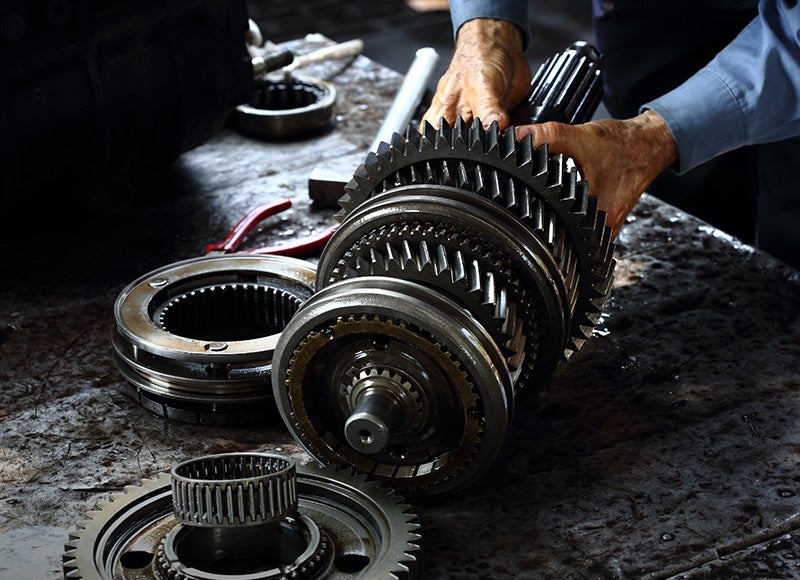
Your Super Duty's transmission and differentials take a beating when towing or hauling near maximum capacity. Changing transmission fluid and differential fluid at the intervals Ford recommends helps prevent heat-related wear. If you regularly operate at or near the truck's towing limits, consider shortening those intervals to give your drivetrain the protection it needs.
Battery and Electrical Checks
Diesel engines rely on strong glow plugs and healthy batteries to start reliably, especially in cold weather. The 6.7L Power Stroke® uses a dual-battery system, and both batteries need to be tested regularly. Weak batteries can cause hard starts, increased wear on the starter motor, and charging system strain. Have your electrical system inspected at least once a year, particularly before winter sets in.
Visit Us for Ford Super Duty Diesel Service
Drivers across Medford, WI trust their Super Duty trucks to get serious work done, and those trucks deserve serious care. Ford Super Duty diesel service in Medford, Wisconsin is available at Medford Motors, Inc., where knowledgeable technicians can handle everything from routine oil changes to fuel system and DPF service. Visit us online to schedule your next appointment and keep your Power Stroke® diesel running at its best.
Staying Ahead of Repairs Starts With Routine Ford Power Stroke® Turbo-Diesel Maintenance
The best way to avoid expensive breakdowns is to follow a consistent maintenance schedule. Ford Power Stroke® maintenance doesn't have to be complicated, but it does have to be consistent. Whether your truck is a daily driver or a dedicated work vehicle, keeping up with service protects your investment and ensures you're ready for whatever the job demands.