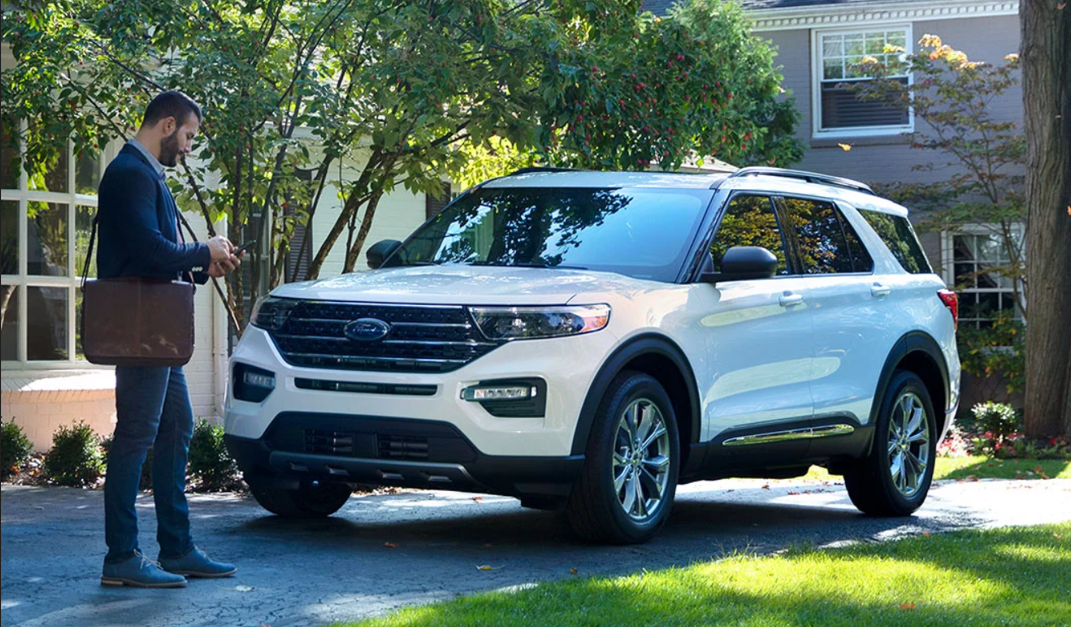
Any Ford driver who wants some extra convenience in their day—so every Ford driver—should know about FordPass®. FordPass® is Ford's free app that keeps you connected to your vehicle, your service history, and your rewards, all in one place, and in your hand pretty much all the time. Whether you're in a parking lot in Medford, Wisconsin, trying to remember where you put your Ford or you’re scheduling your next oil change, FordPass® is built to make owning a Ford more convenient. What Is FordPass® and How Does It Work? FordPass® is a mobile app available for iOS and Android that gives Ford owners access to a range of tools and connected services. Once you download the app and link it to your compatible Ford vehicle, you can manage many aspects of your ownership experience right from your phone. It's a straightforward setup that pays off quickly in daily convenience. The app is free to download, and many of its core features are available at no additional cost. Some connected services may require a subscription after an initial trial period, so it's worth reviewing what's included with your specific vehicle. Remote Vehicle Controls You'll Actually Use First and foremost, the FordPass® app lets you remotely control certain functions, depending on your Ford model and trim. You can lock and unlock your doors, start or stop your engine, and pre-heat or air condition your cabin from your phone. You’ll also be able to check on your vehicle’s health, including fuel level, oil life, and tire pressure remotely, making it easy to plan for road trips and just your daily commute without any surprises. For drivers in Medford, Wisconsin, where winters can be cold, the remote start feature alone makes FordPass® worth downloading. FordPass® Rewards and Service Scheduling What is FordPass® without a little extra value built in? The app also includes a rewards program that lets you earn points on qualifying Ford service, parts, and accessories like floor liners and cargo organizers. Those points can be redeemed toward future service visits, which add up over time. Scheduling service is another standout among FordPass® app features. You can book appointments, view your service history, and receive reminders—all without making a phone call. It simplifies the maintenance side of ownership and helps you stay on top of your vehicle's needs. Locating Your Vehicle and Finding Help Fast FordPass® also includes a vehicle locator feature, which is handy in large parking lots or unfamiliar areas. The app can show you where your compatible Ford is parked and even provide directions back to it. In addition, the app gives you access to roadside assistance if you ever need it. You can request help directly through FordPass®, which means less time searching for a phone number when you're already stressed about a flat tire or a dead battery. Visit Medford Motors, Inc. to Learn More If you're ready to explore everything FordPass® has to offer, our team at Medford Motors, Inc. in Medford, Wisconsin, can walk you through the setup and answer any questions you have. Stop by or visit us to explore compatible Ford vehicles and get started with the FordPass® app today. What Is FordPass®? It's One of the Best Parts of Ford Ownership When you look at everything it does - remote vehicle controls, rewards, service scheduling, vehicle location, and roadside assistance access - it's clear that what is FordPass® is really a question about what smart ownership looks like. It's a tool that works quietly in the background, ready when you need it. For any Ford owner, getting familiar with FordPass® app features is one of the easiest ways to get more out of your vehicle every single day.

Best Ford Trucks for Snow Plowing in Wisconsin
When snow starts piling up in Medford, Wisconsin, having a capable truck isn’t just convenient—it’s essential. Whether you’re clearing a private driveway or managing a full commercial route, choosing the best Ford truck for snow plowing means the job gets done safely and efficiently. Ford offers two strong contenders worth evaluating closely: the F-150 and the Super Duty lineup. Understanding Ford's Snow Plow-Ready Options Not every truck is built to handle the added stress of plow work. Ford addresses this directly by offering a Snow Plow Prep Package on select models, which includes upgraded cooling systems, reinforced front suspension, and a higher gross vehicle weight rating to handle the demands of mounted plow equipment. The Ford Super Duty Snow Plow Prep Package is available on F-250 and F-350 models and is designed for drivers who need maximum capability. These trucks are built to handle heavier commercial-grade plows without straining the front axle or drivetrain. F-150 vs. Super Duty - Choosing the Best Ford Trucks for Snow Plowing The F-150 is a strong starting point for light-to-moderate residential plowing. It’s is lighter, more fuel-efficient for daily driving, and easier to maneuver on tighter residential streets. However, it does have plow weight limitations that Wisconsin drivers should factor in before committing to a specific blade size. This Snow Plow Prep Package equips the F-150 to handle up to 470 lbs., but that is not across the board for every trim. The Super Duty, on the other hand, is the clear choice for heavy-duty commercial applications. With available diesel and gas powertrain options, higher tow and payload ratings, and a robust frame, it handles consistent plow work season after season. The Ford Super Duty Snow Plow Prep Package makes it even more dependable in demanding conditions, able to handle a plow up to 1,470 lbs. on some configurations. Key Features to Evaluate Before You Buy When evaluating the best Ford trucks for snow plowing, Wisconsin drivers should focus on a few critical areas. First, check the front gross axle weight rating, which determines what size plow the truck can safely carry. Second, look at the available 4WD system and whether it includes features like locking hubs or limited-slip differentials for better traction on icy roads. Technology matters, too. Ford Co-Pilot360® driver-assist features are available help you stay aware of surroundings during low-visibility conditions. Features like Automatic Emergency Braking, Front Pedestrian Braking, and Reverse Automatic Braking give you the support you need in snowy conditions and late-night jobs. The available trailer brake controllers can assist when hauling additional equipment. The FordPass® app also lets you monitor, start, and pre-heat your truck remotely, which is useful during long plowing shifts. Getting Ready for Wisconsin Winters Wisconsin winters do not ease in gradually, so preparation matters. If you’re deciding between the F-150 and Super Duty, think honestly about your plow size, how many hours per week you plan to operate, and whether this is personal or commercial use. For most light residential work, the F-150 delivers solid performance. For anyone running a plow business or clearing larger properties, the Super Duty is the more practical investment. Ford's lineup also earns recognition for quality. The F-150 holds the distinction of being the #1 Full-Size Truck for New-Vehicle Quality from J.D. Power, while the Super Duty earned the same recognition among heavy-duty trucks—meaningful credentials when you’re relying on your vehicle all winter long. Finding the Best Ford Trucks for Snow Plowing Near You Drivers across Medford, WI, have access to a strong range of Ford F-150 and Super Duty configurations suited for plow work. Using Ford's Build & Price tool, you can explore trim levels, packages, and configurations before ever stepping into a showroom. Visit Medford Motors, Inc. to search current inventory and connect with a team that understands what Wisconsin winters demand from a work truck. The Bottom Line Whether you’re a homeowner or a commercial operator, choosing among the best Ford trucks for snow plowing comes down to matching the right truck to your specific workload. The F-150 and Super Duty each bring genuine strengths to the table, and with options like the Ford Super Duty snow plow prep package, you can feel confident your truck is ready before the first flake falls. Stop by or visit us to explore what is available in Medford, WI.